It’s Spring in Western North Carolina! The mountains and valleys are awakening from their winter slumbers and early wildflowers are emerging. The birds are migrating through on their way back north. The trout and bass are biting. It is the magic time for morel mushrooms to pop up and delight us. Best of all, you can see everything because elevation makes all the
difference. The signs can be seen at the lowest elevations first. Day by day you can witness the spring bursting alive as it makes its way up the mountains. It is warm in the valleys and still winter at the higher elevations.
The first spring butterflies are appearing on the warmest days. A special one to look for is the West Virginia White butterfly (Pieris virginiensis). It’s host plant is the toothwort (Cardamine dyphylla), a woodland plant in the mustard family. This butterfly is pure white with grayish veins on the back side. It is extremely particular about its host plant. It is becoming rare and Western North Carolina is one of the places it can still be found, in damp, rich woodlands.
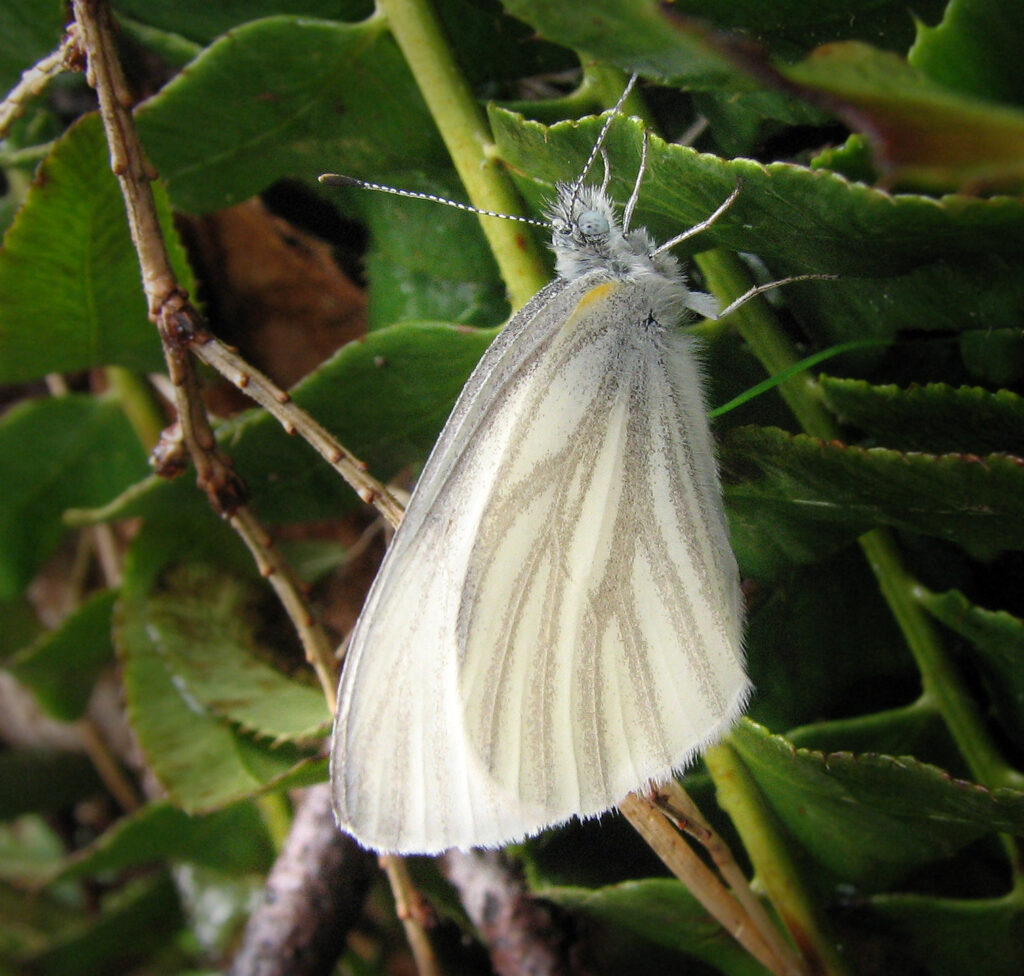
Pictured Above: West Virginia White butterfly (Pieris virginiensis) | Beatriz Moisset, CC BY-SA 4.0 https://creativecommons.org/licenses/by-sa/4.0, via Wikimedia Commons
April is the time to see the exquisite Pink Lady’s Slipper. It is one of the wildflowers that many appreciators want to find and check off on their lists. It is not easy to find and you should never attempt to transplant them. They are dependent on a fungus in the soil from the Rhizoctonia genus and if you move them their chances of survival are slim. Pink Lady’s Slipper grows in abundance near the western end of Long Branch trail. This beautiful native orchid must love the forest conditions there. But don’t try to bring one home with you! They depend on a fungus in the soil that doesn’t live most places. Plus, it’s illegal.
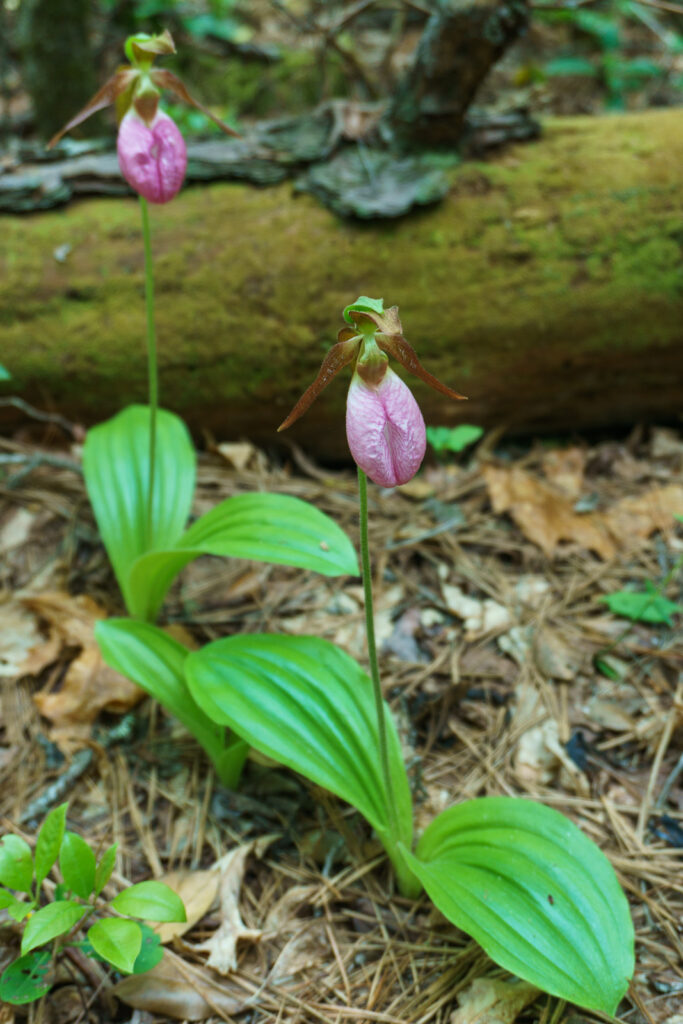
Picture Above: Pink Lady’s Slipper | Creator: Jordan Mitchell | Copyright: Creative Commons Attribution-ShareAlike 3.0 United States
One of the best places to view wildflowers in April is the Joyce Kilmer Memorial Forest. The two-mile double loop trail, uneven and filled with roots and rocks, is a botanical garden of spring wildflowers. The upper loop, where the largest trees grow, is blanketed by the earlier trilliums, Dutchman’s Breeches, Bloodroot, and Mayapples to name just a few. Bring a picnic lunch and hike in the morning. You may be lucky enough to see a trout in the creek that runs down through the forest while you cross the bridges.
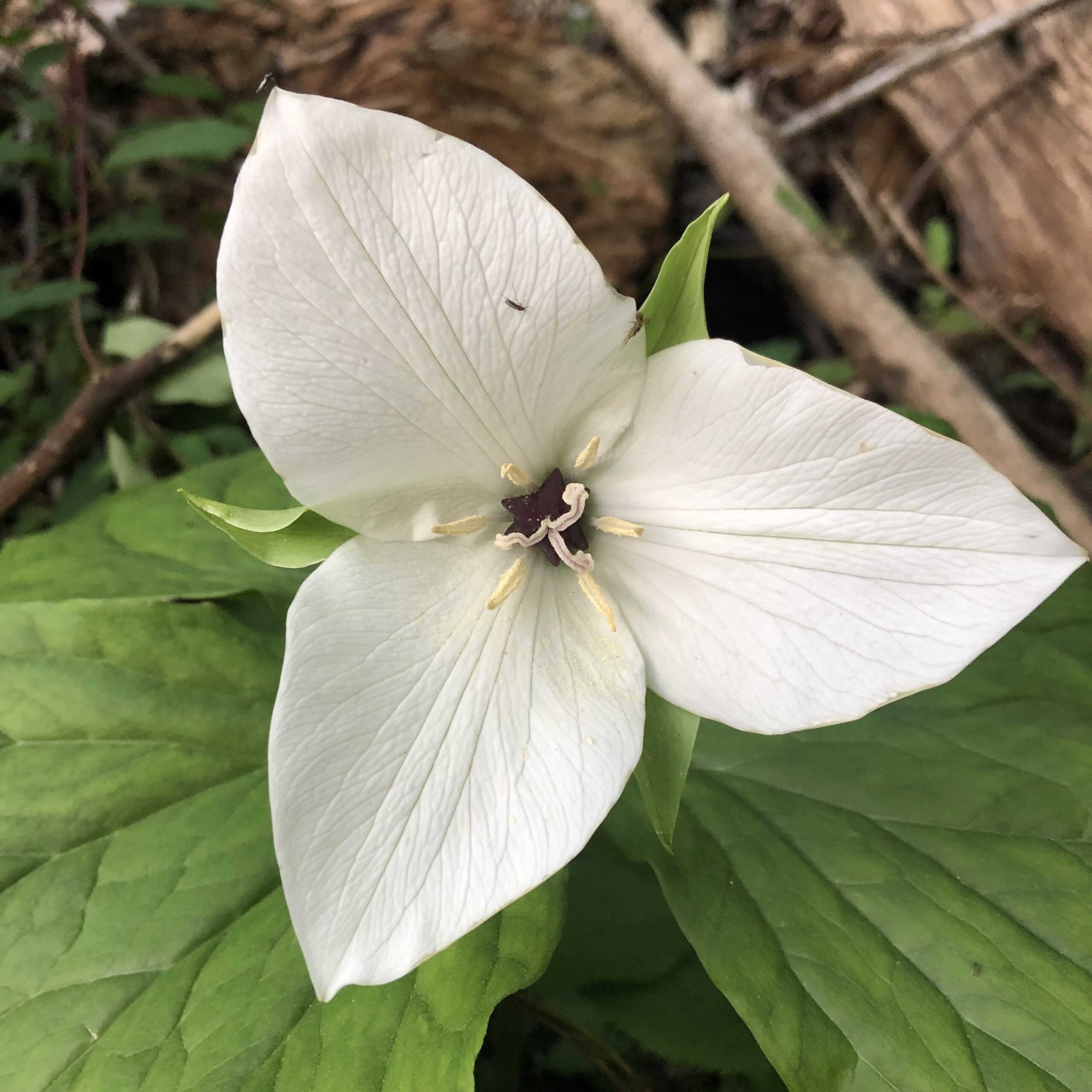
Pictured Above: Trillium grandiflorum
A second excellent wildflower hike is the Slickrock Trail, starting just a bit west of the Tapoco Lodge, across from the Cheoah Dam. You can stop at the lodge and ask for a map and directions at the front desk. This area is at a low elevation so the wildflowers bloom here first.
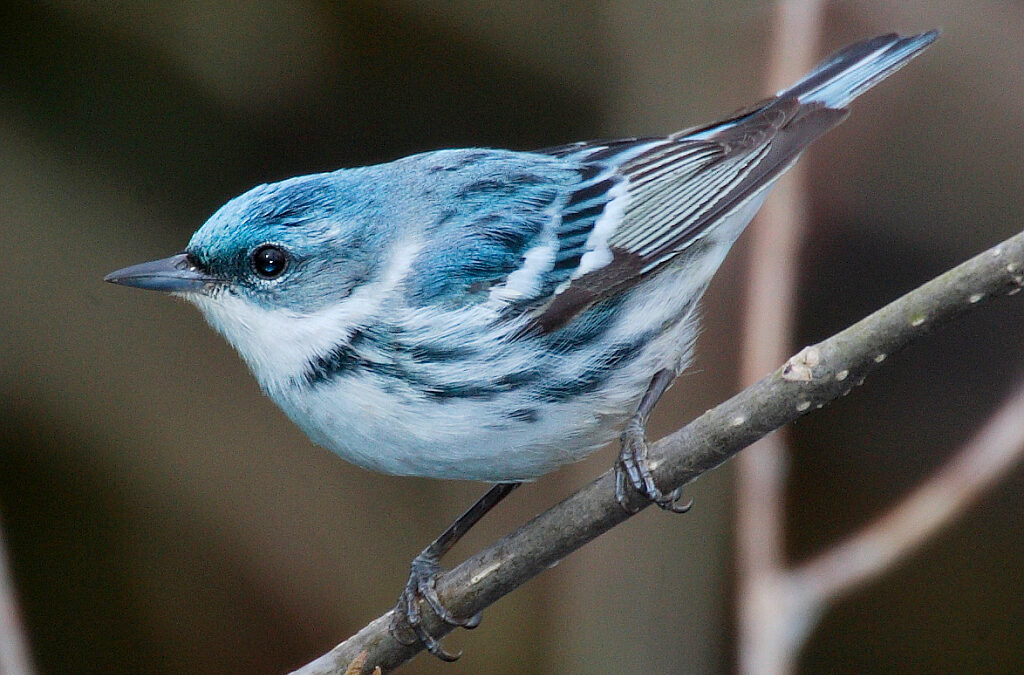
For you birdwatchers, the migrating birds to watch for in April are the Cerulean Warbler, the redstarts and the gorgeously blue male Indigo Bunting. Birdwatching is best done in the early hours of the morning. Rise at dawn and walk along the Stecoah Gap Bird Trail. Then treat yourself to a mid-morning breakfast. Learn more about birdwatching here.
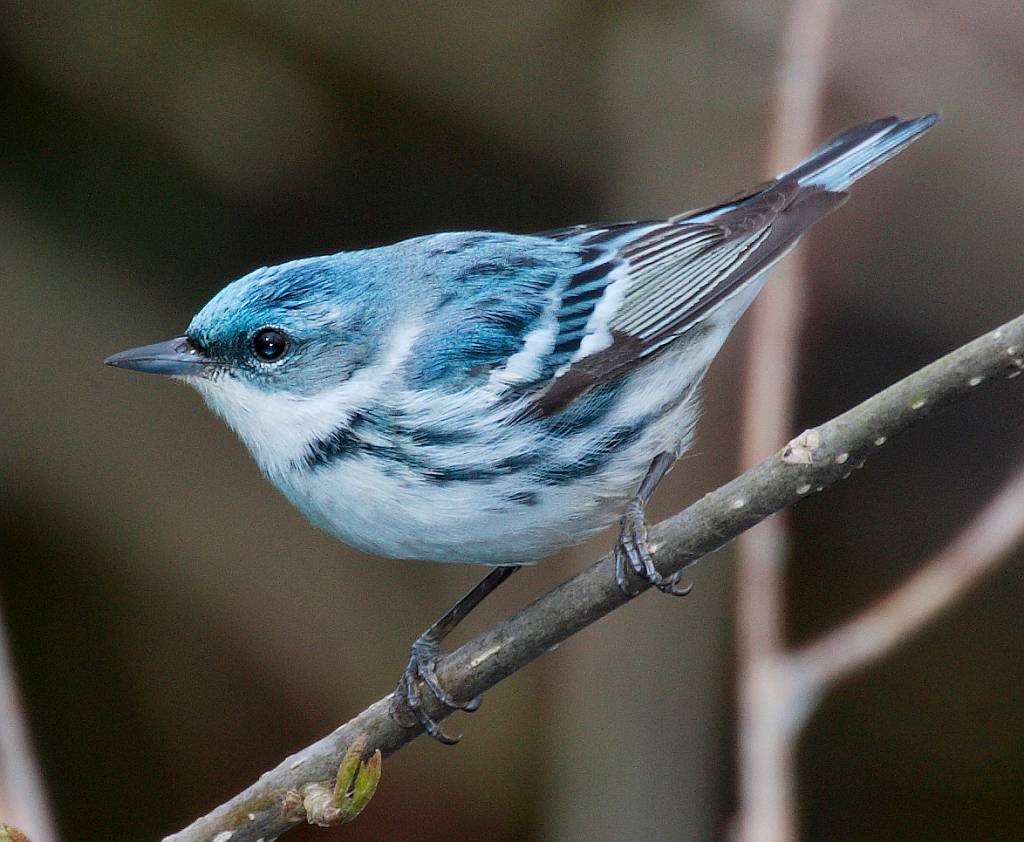
Pictured Above: Cerulean Warbler | Original: Mdf, this edit: MPF, CC BY-SA 3.0 http://creativecommons.org/licenses/by-sa/3.0/, via Wikimedia Commons
Finally, April is the month to find the elusive morel mushroom. You never know where you will discover them, but along old forest roads and under poplar and apple trees are possibilities. If you are lucky enough to find some, don’t be afraid to harvest them. Like apples from a tree, the morel is a fruit. It’s rhizomes are underground. You can return every year to find more. Keep the location a secret though. Good luck!
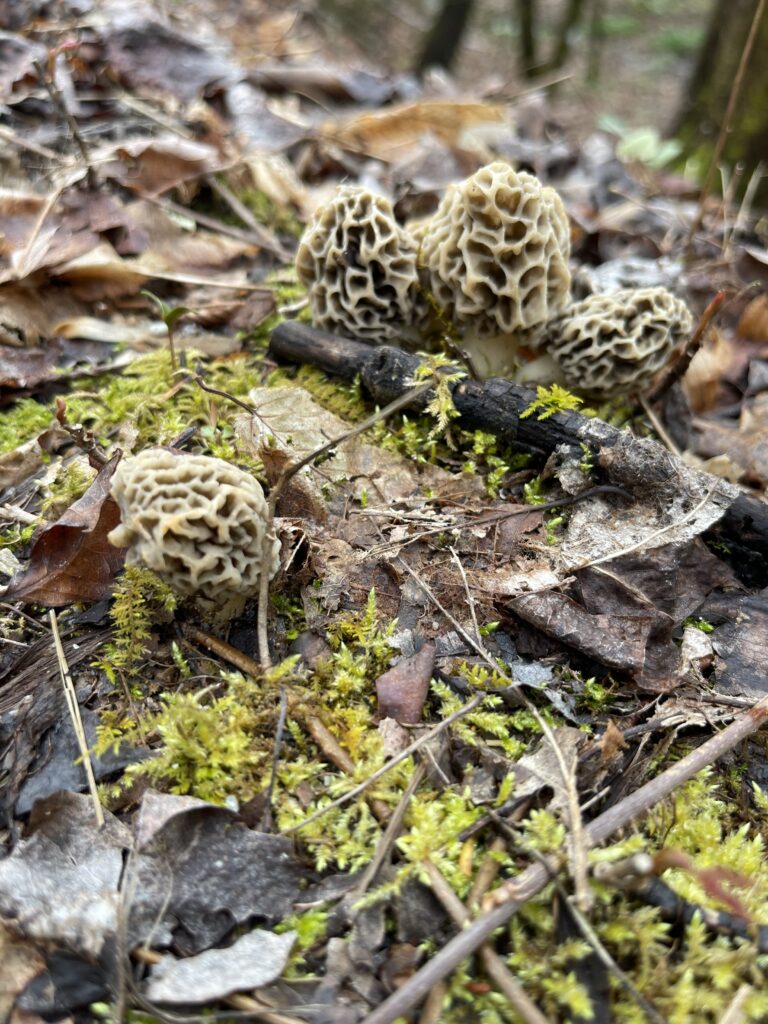
Pictured Above: Morel Mushrooms